

Welcome to our annual flower experiment where we try viral floral hacks to see which performs best.
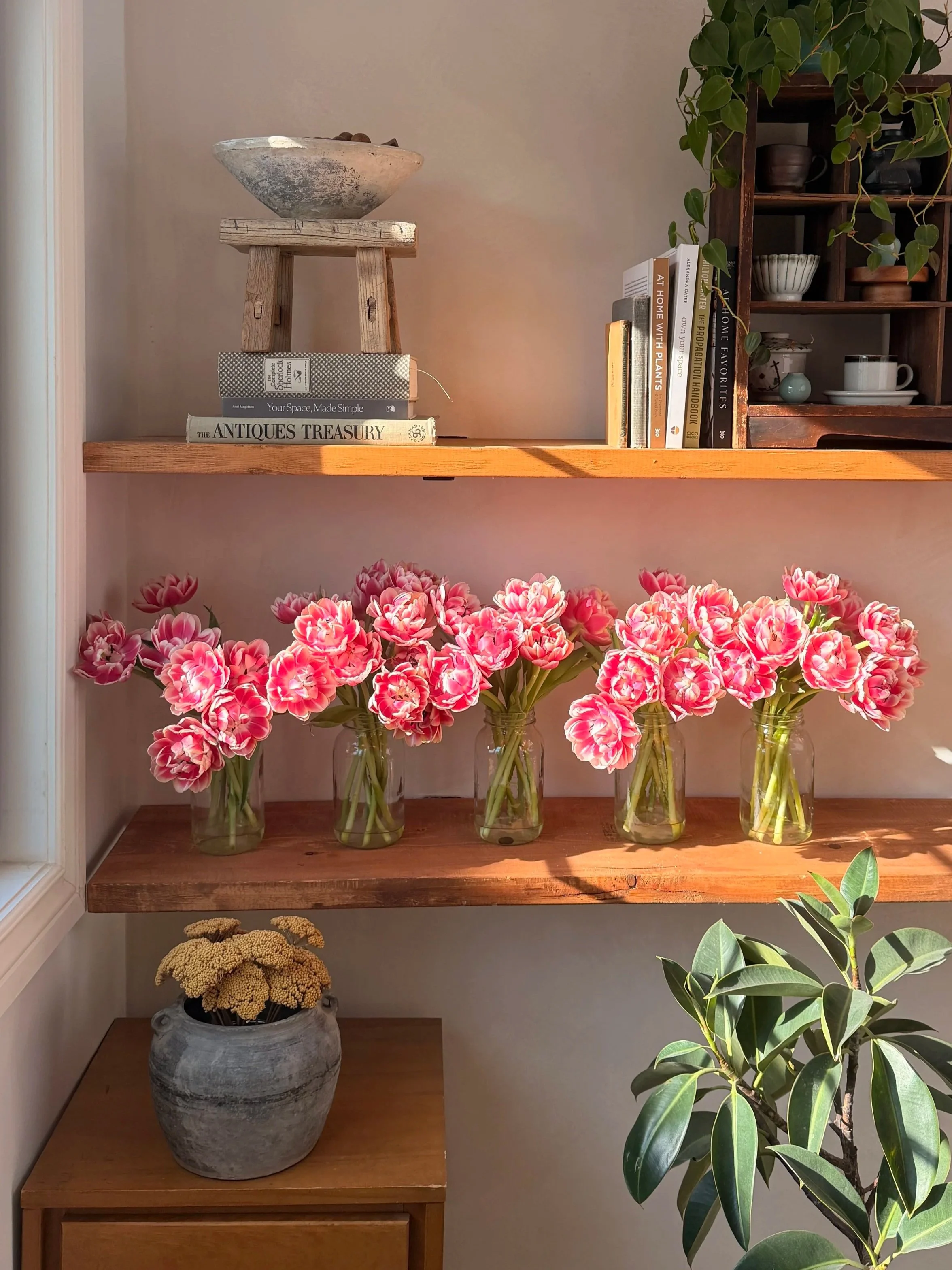
I’m no scientist but never underestimate the power of a woman who loves flowers and who loves hacks. Tulips mark the beginning of spring for me and my favourite variety are the double peony, also known as the double tulip. Don’t they look similar to peonies at their peak of bloom? Over the years I’ve experimented with florist hacks to see what would prolong their life. So let’s test a few of them out and see which works best. I bought five bouquets of tulips, one control group and four others to do our hacks on.
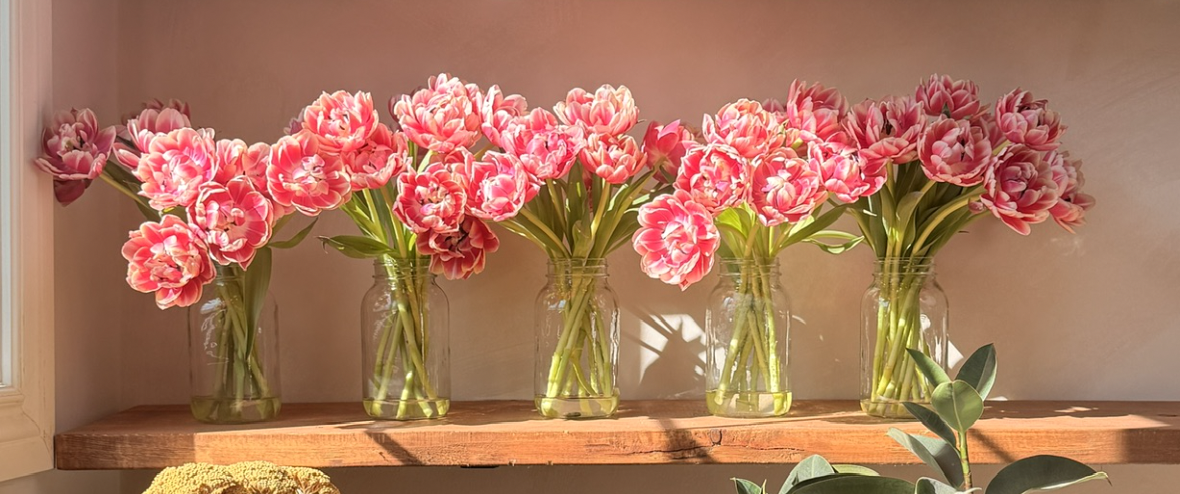
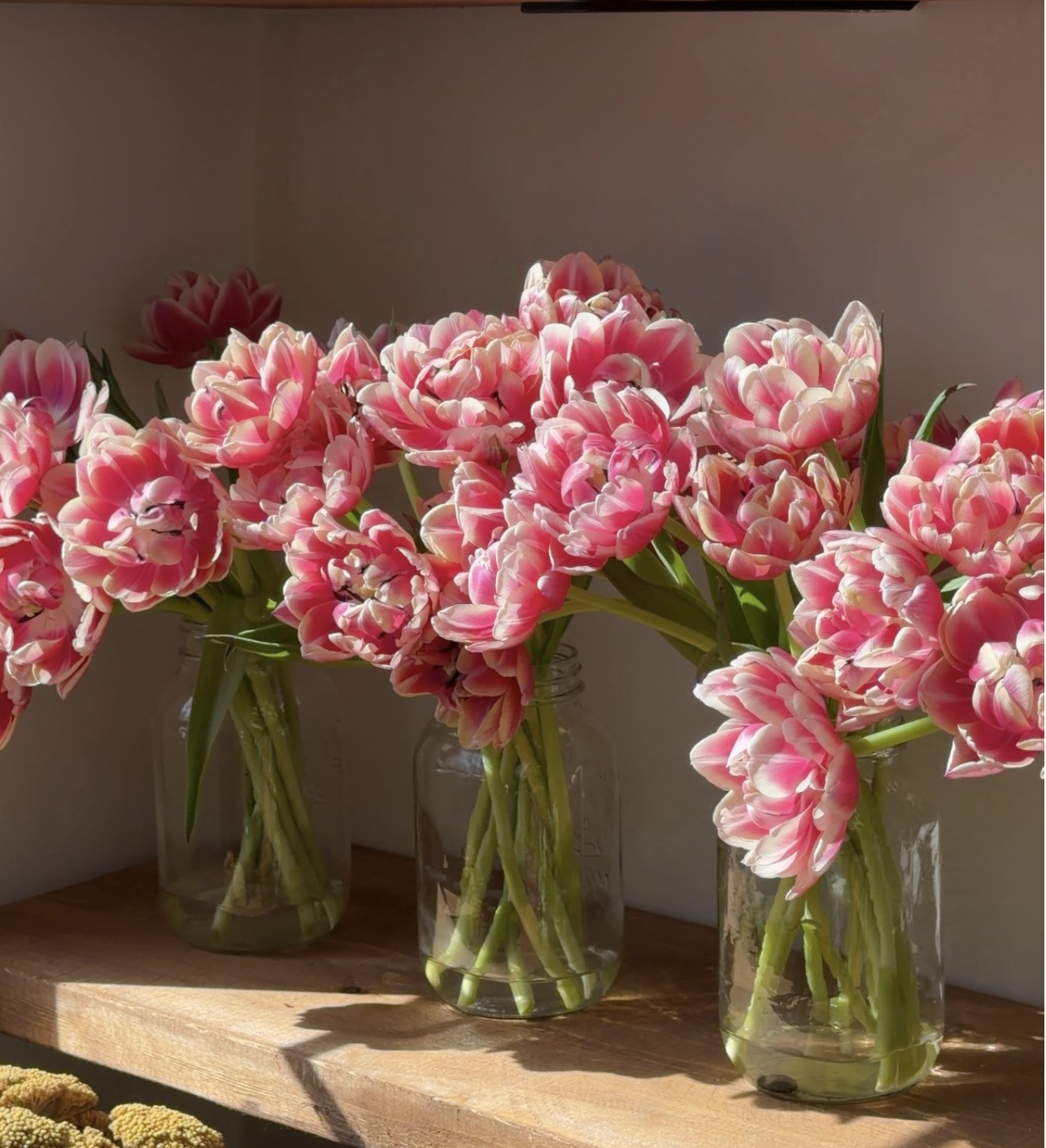
What you’ll need for each of these hacks:
A piece of copper or copper penny
Vodka
safety pin
flower food
tulips (any kind)
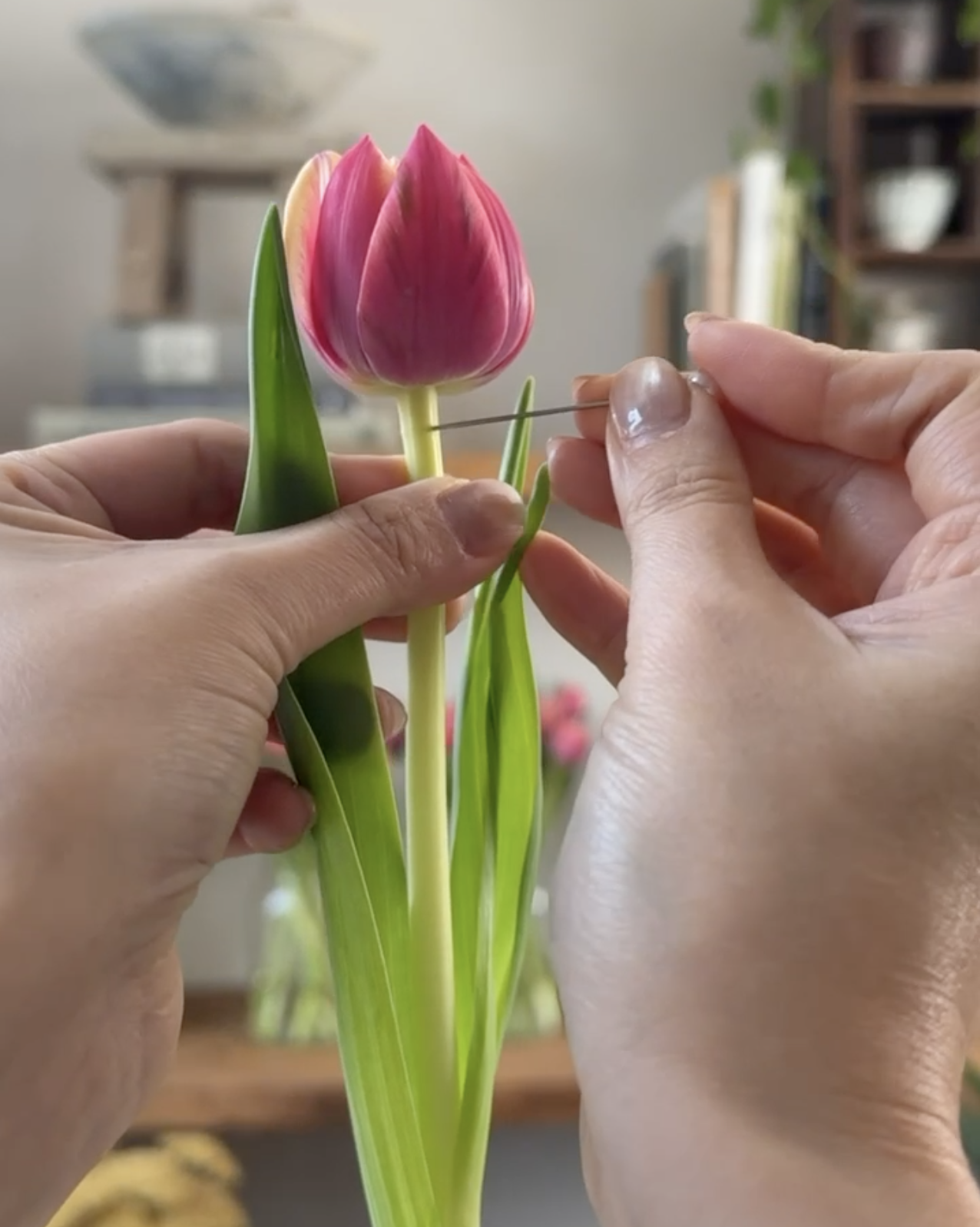
Hack #1: Pin Prick Method
We’ve used the pin pack method for years and it seems to work the best to prolong the blooming period by a little bit. The pin prick is theorized to allow air flow in the hollow stem allowing for air to escape. This allows the heavy bloom to stay upright because the stem remains firm. In theory this method works on all flowers with a hollow stem like hyacinths, daffodils and ranunculus. I haven’t tried this method on them yet though.
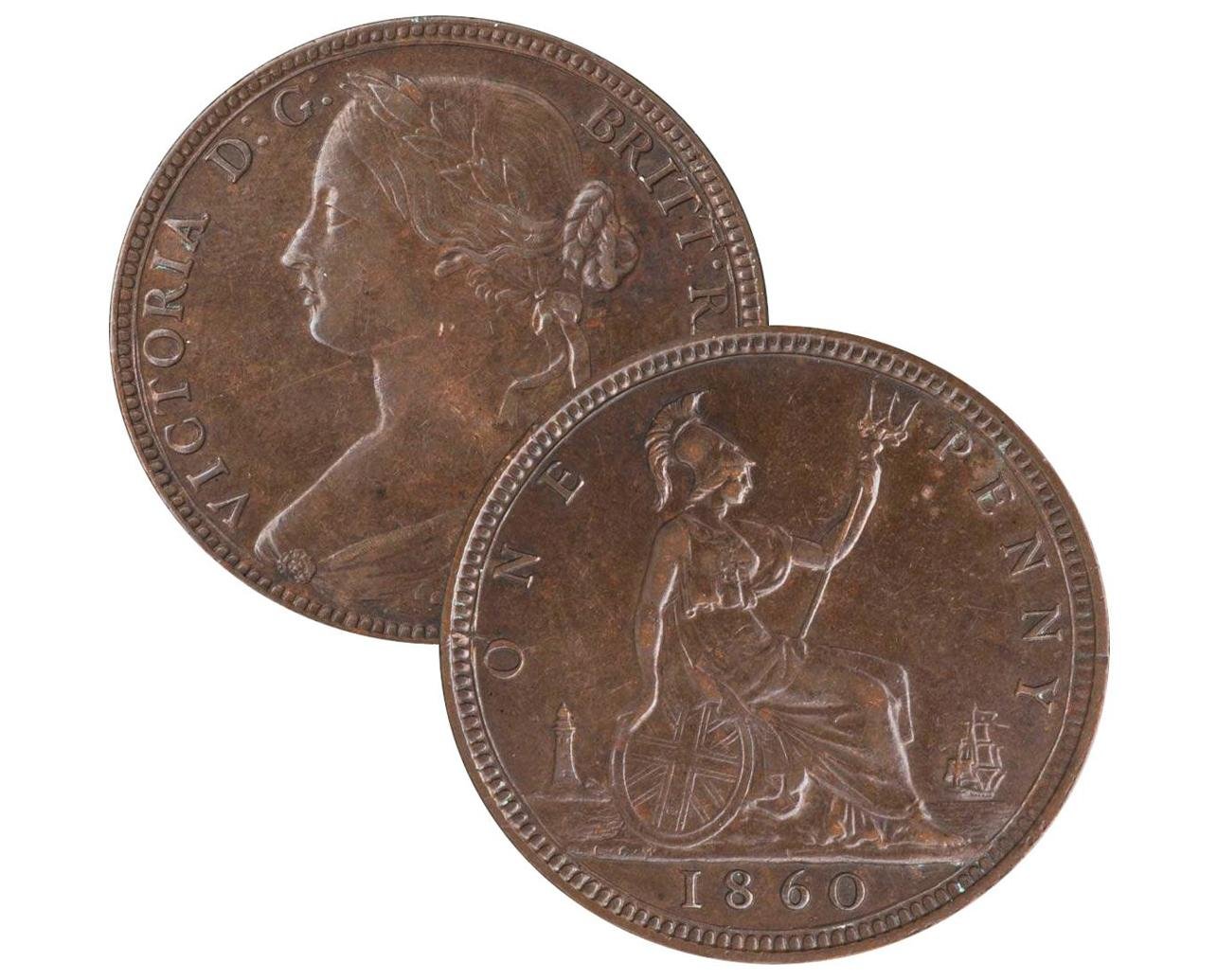
Hack #2: Coppery Penny Method
The copper penny is my favourite method because it’s the easiest! Copper is a natural fungicide so the copper penny naturally kills any bacteria and fungi in the water vase. During our experiment, the vase with the penny had the clearest water. But make sure you use pennies minted before 1982 because that has enough copper properties to make this work. For those of us who don’t have copper pennies (hello fellow Canadians,) we can use any copper item like a copper fitting from the hardware store.
Hack #3: The Vodka Shot
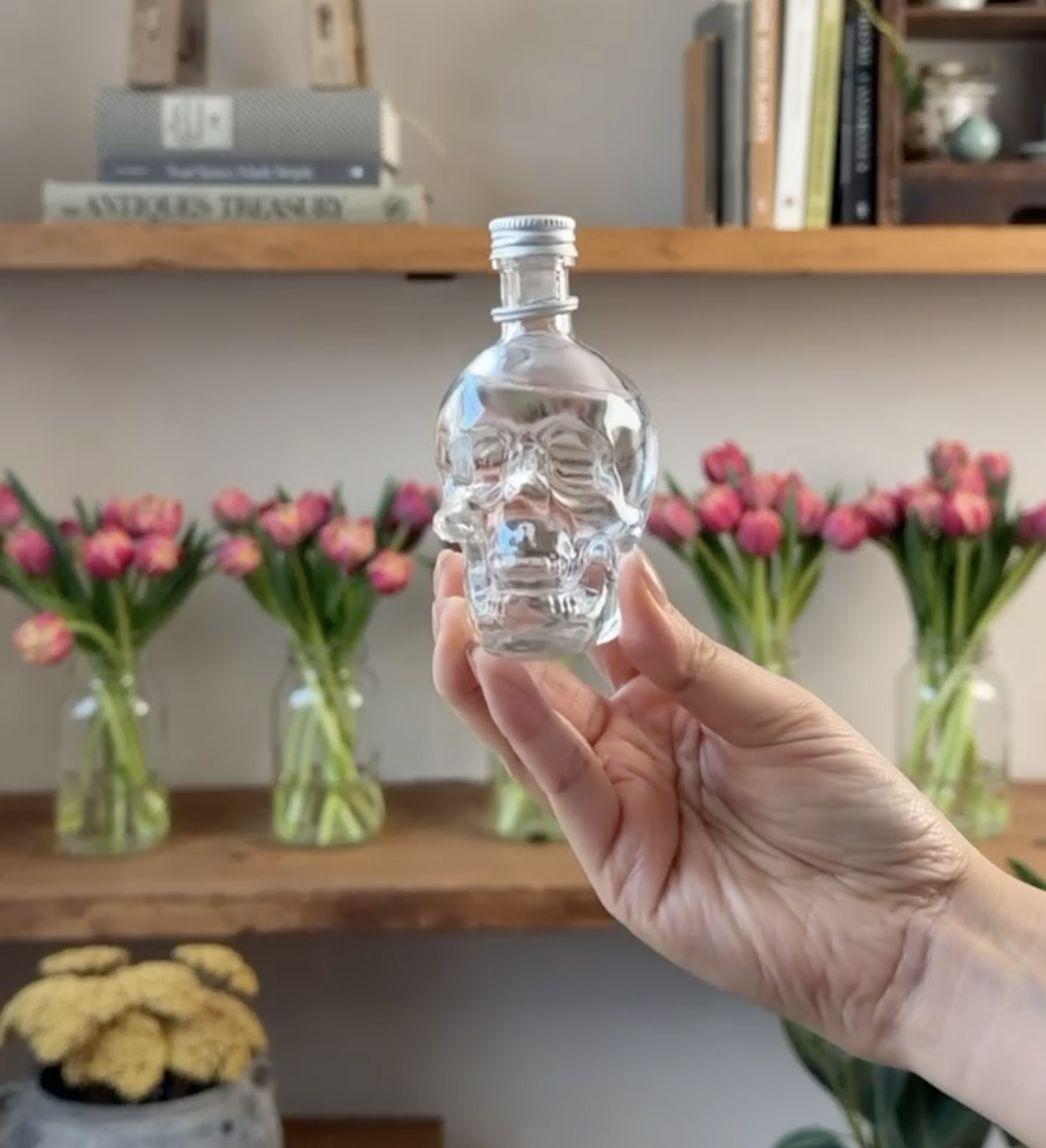
The vodka shot is a new addition to our annual tulip experiment. This bouquet of flowers definitely was the most fun to try! It’s said that a 1/4 tsp of vodka in your vase will help kill bacteria. I did find that the tulips in this bouquet were extra thirsty and drained the water the fastest. It did work for the first week to kill bacteria but the copper penny did a better job during the second week. Remember a little goes a long way! Don’t actually put a shot of vodka in the vase!
Hack #4: Traditional Flower Food
Last was the flower food which provides sugar to feed your flower. This resulted in the fastest blooming bouquet that also lasted the shortest amount of time. If you think about it, this makes sense since flower food is meant to promote blooms and feed the flower not necessarily to help it last longer. At the end there was mold growing in the water and it was the only bouquet to do so. The control group with no experiments performed better than the flower food bouquet. But the control group had the murkiest water but no mold which might be surprising to some.
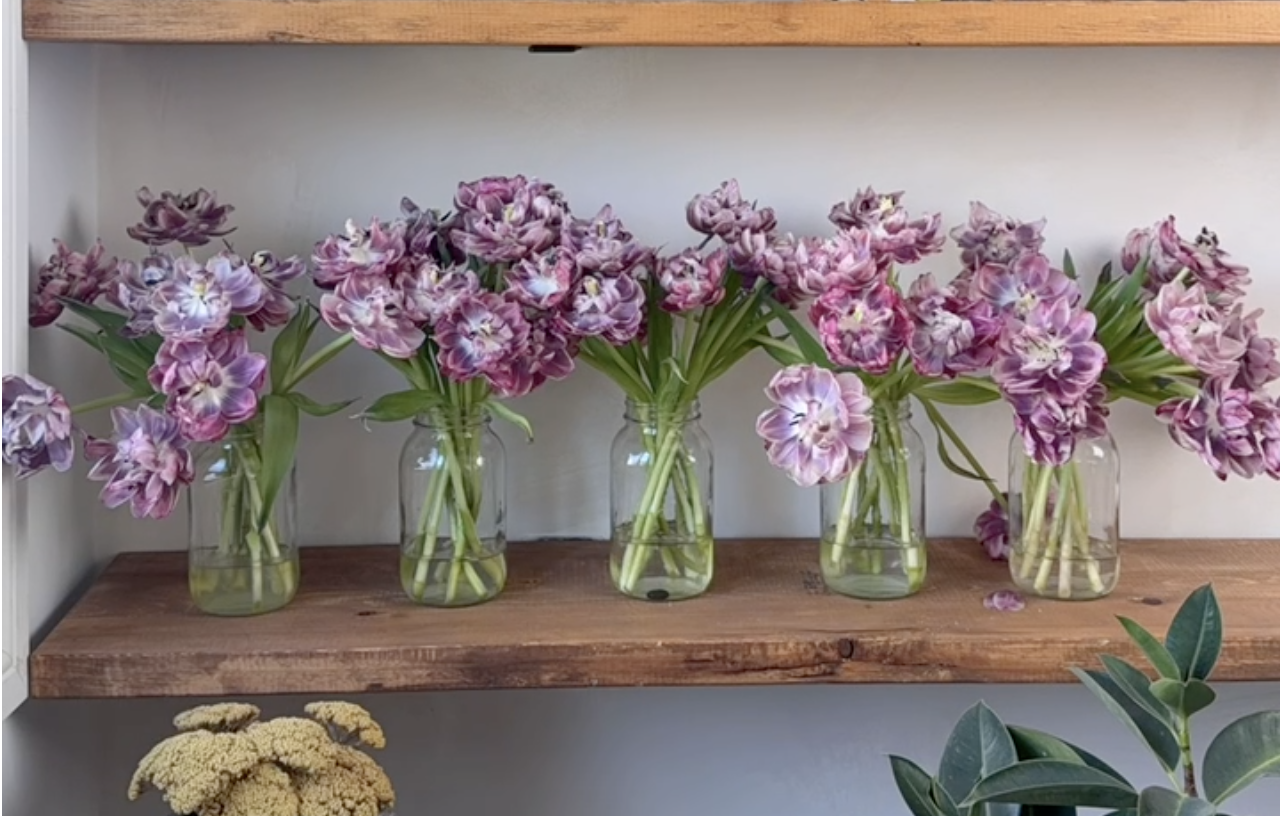
In the end, the pin prick method is the crowning winner for three years in a row for longest bloom. I think it’s because they also prevented the flower to bloom later than the rest. The copper penny worked the best in keeping the water clean. So my takeaway from this experiment is to pin prick your tulips and add a copper penny or copper item into your vases for your next bouquet!
Let me know which method you’ll try in your next bouquet of tulips. What flower experiment should we try next?